About Ouessant Sheep

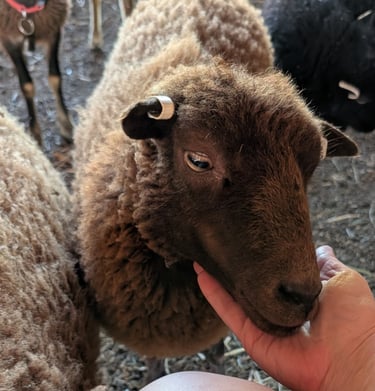
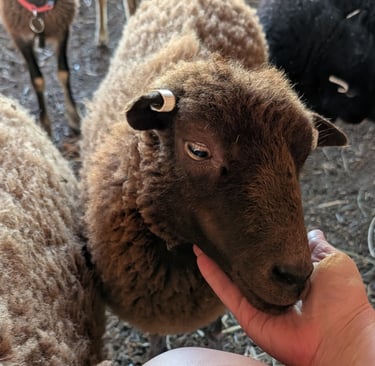
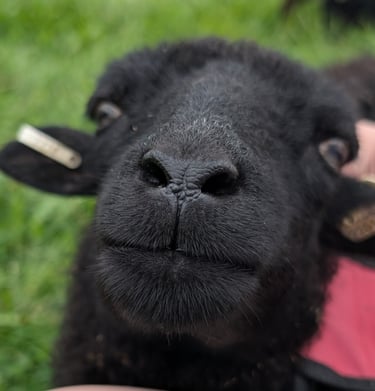
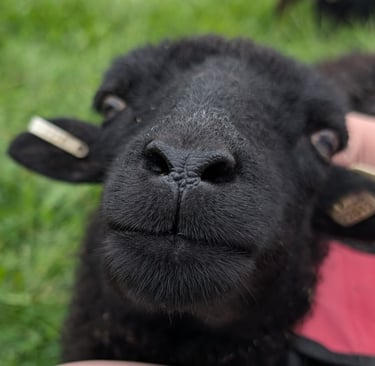
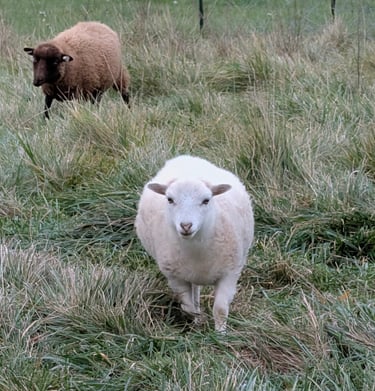
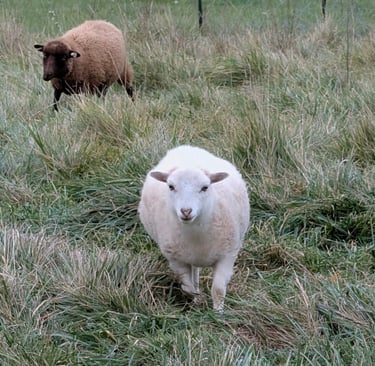
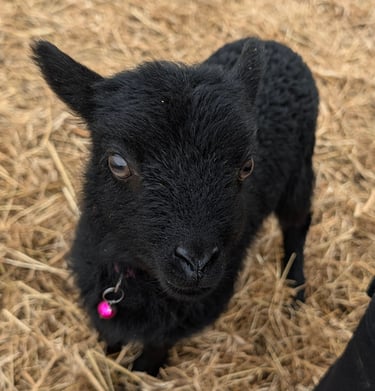
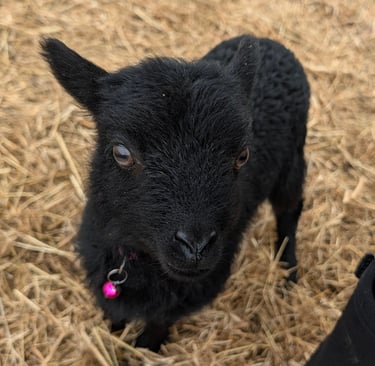
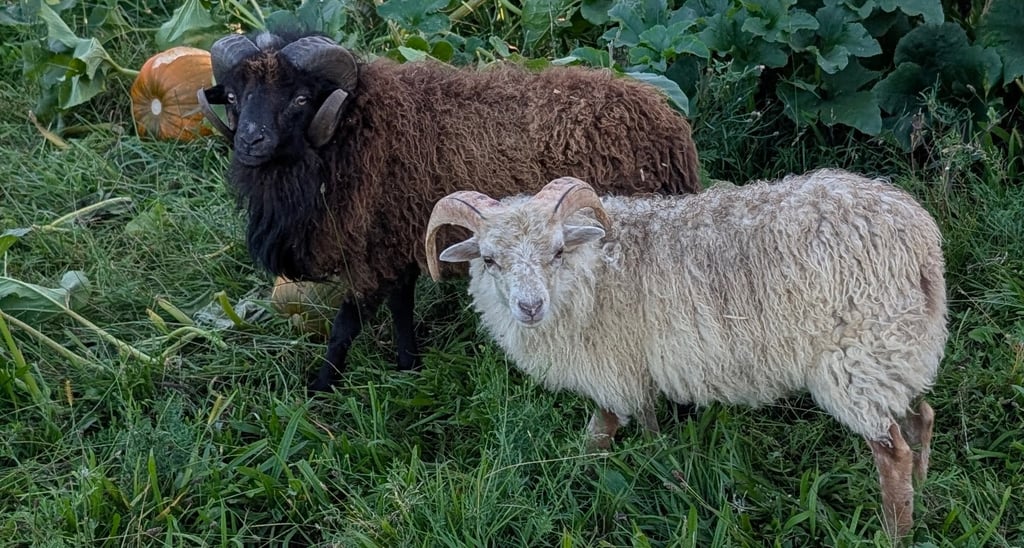
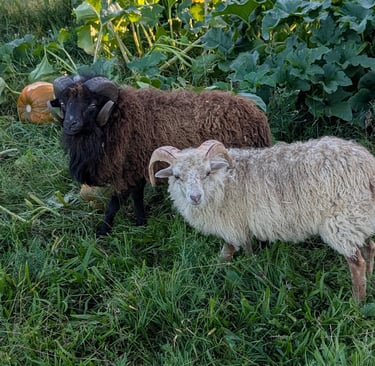
The Ouessant is a primitive heritage breed originating from the island of Ouessant off the coast of Brittany, France. It is recognized as the smallest naturally occurring sheep breed in the world. These animals were shaped by the harsh Atlantic climate and the sparse vegetation of their native island. Adult rams typically reach a maximum height of 19 inches at the shoulder. Ewes are slightly smaller and generally reach a height of 18 inches. They are characterized by their sturdy builds and naturally short tails. Rams possess impressive outward turning horns. Ewes are usually polled, though they may occasionally display small horn buds.

Because they evolved to survive on marginal forage, Ouessant sheep are efficient and hardy. Their nutritional requirements are lower than those of high production commercial breeds. It is important for owners to provide a diet based primarily on forage. Their friendly and inquisitive nature makes them easy to manage.
About Soay Sheep

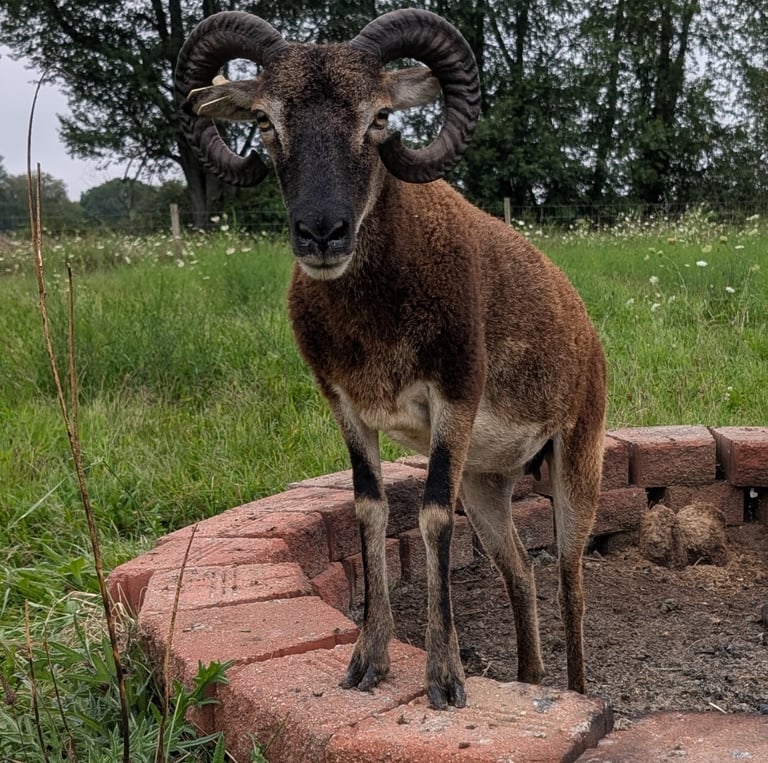
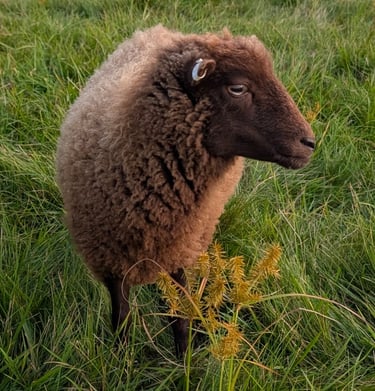
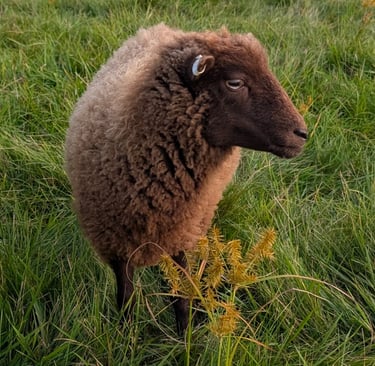
The Soay is a primitive breed of sheep that originated from the St. Kilda archipelago off the coast of Scotland. These animals are unique because they have remained largely unchanged for thousands of years. They are physically small and resemble wild sheep more than modern domestic breeds.

Adult rams typically stand between 20 and 24 inches at the shoulder. Ewes are smaller and usually reach a height of 18 to 22 inches. Most Soay sheep have a brown fleece that varies in shade from light tan to dark chocolate. One of their most distinctive traits is that they shed their wool naturally in the spring. This eliminates the need for manual shearing.

These sheep are known for their athleticism and hardy nature. They are excellent foragers and can survive in environments where other breeds might struggle. Their temperament is more alert than other domestic sheep. They require a calm and professional approach to handling.

Soay sheep are a rare sight in North America. The first significant group of these sheep arrived in the United States during the late 1980s and early 1990s. These foundation animals were imported primarily from populations in the United Kingdom and Canada.

Since their arrival, breeders in the United States have worked to maintain the purity of the lineage. Because the original pool of imported animals was small, careful management is required to preserve the health of the population. These sheep are now sought after by those interested in heritage conservation and low maintenance livestock.

About Shetland Sheep

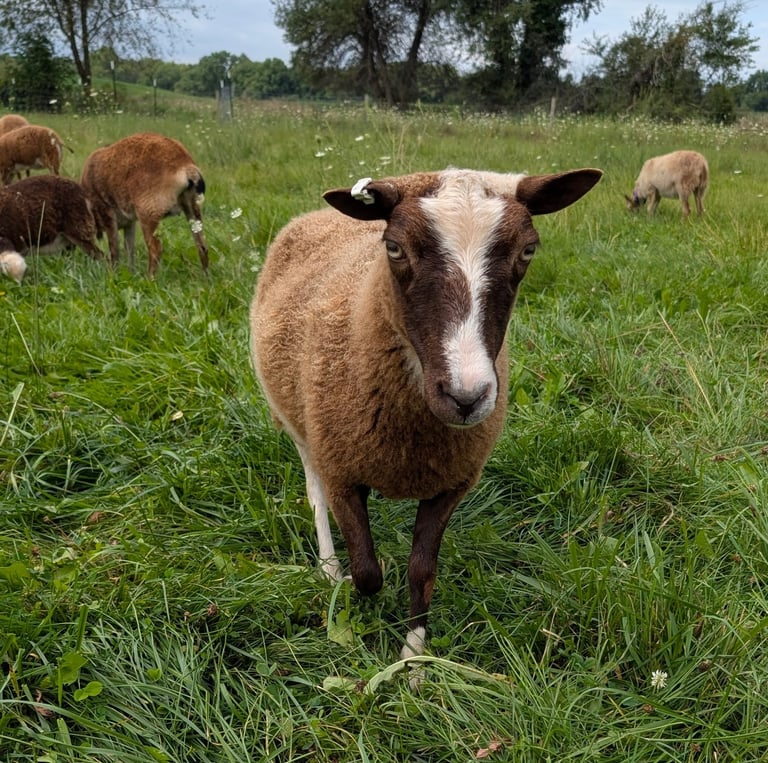
The Shetland is a small and fine boned breed that originated in the Shetland Islands of Scotland. These sheep are part of the Northern European short tailed group and have lived in the harsh conditions of the islands for over a thousand years. They are widely recognized for their soft wool and their intelligent, docile nature.

Adult Shetland ewes typically weigh between 60 and 100 pounds. Rams are slightly larger and weigh between 90 and 125 pounds. In terms of height, Shetlands generally stand between 20 and 24 inches at the shoulder. They are among the smallest of the British sheep breeds.